
Programme
Complete Personal Security Detail (PSD) Programme
The ESA PSD Training Programme Costa Rica 2027 is one integrated five-day intensive Personal Security Detail, PSD, programme in San José, Costa Rica. Day 1 includes a Carbine Skills Alignment block before applied PSD training, focused on personal protection, teamwork, operational procedures, vehicles, incident response, range work and practical assessment.
5 in-person days
1 integrated PSD programme
ESA PSD Certification
6 hotel nights included
Maximum 15 participants
Profile review required
Five days of in-person training in San José
Five days of in-person training, delivered in Spanish, with a maximum of 15 participants. One Personal Security Detail, PSD, programme with one certification: the ESA PSD Certification.
Admission is subject to profile review and previous training or experience is required.
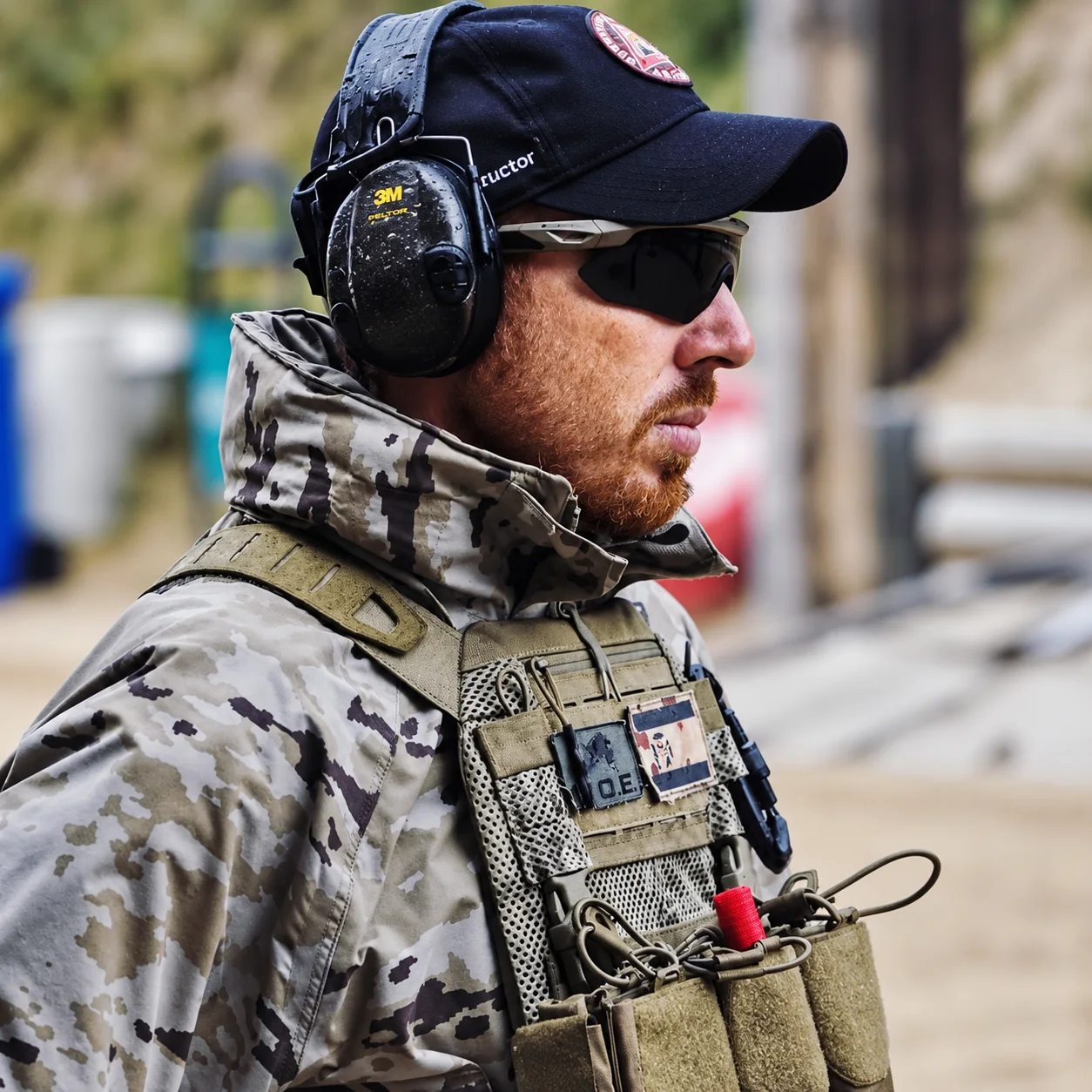
David Viver
David Viver is a police professional and tactical instructor with more than two decades of experience in operational, military and specialized training environments. He began his career in the Armed Forces in 2004, serving in units including the Parachute Brigade, GOE XIX Special Operations Group and the Arapiles 62 Mountain Infantry Regiment.
He later developed his police career with a focus on intervention units and operational response, an area in which he has accumulated more than 15 years of experience. His background includes more than 900 real police interventions within specialized unit work.
This experience forms the foundation of his teaching methodology: transforming operational experience into training that is useful, safe, realistic and applicable. His approach prioritizes safety, discipline, teamwork, decision-making under pressure and the correct application of procedures when the environment demands professional judgment.
Since 2021, he has served as an instructor with European Security Academy, delivering tactical training nationally and internationally. His areas of specialization include operational shooting, CQB, VCQB, close protection, PSD, police techniques, operational intervention and tactical casualty care.
He holds credentials as a Police Techniques Instructor, Expandable Baton Instructor, TASER Instructor, Shooting Monitor and Firearms Instructor for Private Security accredited by the Ministry of the Interior. He also holds tactical casualty care credentials, including Stop the Bleed Instructor, TCCC-MP Instructor and TECC-LEO Instructor.
“Work as you train and train as you work.”
Carbine Skills Alignment
Initial technical alignment integrated into Day 1, focused on safe handling, weapon control, basic manipulations and range readiness before progressing into applied PSD training.
It is part of the PSD programme. It is not a standalone course and does not award a separate certification. More detail in Carbine Skills Alignment.
Training areas
- Safety and handling rules
- Basic manipulations
- Weapon control
- Range readiness
Personal Security Detail (PSD)
The PSD phase develops the core capabilities of personal protection and professional escort operations. The emphasis is on protecting the principal, operating within a team, reading the environment, reacting to threats, coordinating movement and maintaining operational discipline during practical scenarios.
PSD training areas
- History, role and responsibilities of the bodyguard
- Protection structures and formations
- Reaction to immediate threats
- Personal safety and unarmed defensive tactics
- Searching people, places and vehicles
- Vehicle positioning and equipment locations
- Team communication
- Immediate emergency medical skills
- Introduction to systems relevant to PSD
- Practical assessment
- Roles within a PSD team
- Foot formations
- Situational awareness and dynamic risk assessment
- Threat assessment and risk analysis
- Embus and debus procedures
- Security driving
- Protocol and operational etiquette
- Ballistic awareness
- Range work
Assessment and certification
The ESA PSD Training Programme Costa Rica 2027 uses continuous assessment throughout the training.
Participants are expected to consistently demonstrate safety, discipline, sound judgment, situational awareness, teamwork, communication, emotional control, decision-making under pressure and the safe handling of the equipment used during the programme.
Assessment is part of the learning experience, allowing the instructor to observe performance, provide corrective guidance and reinforce the competencies developed throughout scenarios and practical exercises.
Participants who successfully complete the programme and demonstrate the required performance and safety standards will receive the ESA PSD Certification.
Safety and professional conduct
Safety is a core professional standard throughout the programme. Each participant is expected to maintain disciplined conduct, follow instructor directions and consistently apply the established procedures and protocols during every training activity.
The objective is to maintain a professional, controlled and demanding training environment that allows each participant to focus on developing and demonstrating their best performance.
What the programme package includes
The package includes 6 hotel nights, with check-in on January 25, 2027 and check-out on January 31, 2027, under the conditions established by the organization, hotel breakfast, meals on training days, local coordination, operational facilities, range access, course materials, the ESA PSD Training Programme and the ESA PSD Certification. Airfare is not included.
Personal gear and readiness
The final gear list will be sent to admitted participants before the programme begins. This section summarizes expected personal gear and clarifies which items must not be transported internationally by participants.
Required personal gear
- Tactical or outdoor training clothing
- Tactical or outdoor pants
- Tactical belt or duty belt
- Broken-in tactical or outdoor boots
- Eye protection for range work
- Ear protection for range work
- Cap or sun protection
- Work or shooting gloves
- Optional knee pads according to preference
- Casual clothing for hotel and transfers
- Formal or business casual clothing if requested by the organization
- Functional mobile phone
- Personal travel documentation
Operational gear subject to confirmation
- Magazine pouches
- Holster compatible with assigned platform
- Long-gun sling
- Rifle chamber flag
- Additional gear requested by the instructor
- Any accessory approved by the organization before the course
Do not bring without written authorization
- Firearms
- Ammunition
- Magazines
- Regulated weapon parts
- Replicas, airsoft or similar devices
- Optics & sights
- Any material restricted by airline, customs or local regulations
Ready to apply?
Admission is subject to profile review and places are limited.
Apply for admission